




Bridging Capacity Gaps with AI and Dynamics 365

Bridging capacity gaps with AI has become a priority for organisations that rely on CRM to support growth. The pressure on sales, service and operational teams continues to intensify, and many businesses now face a familiar issue. They need to deliver more value and faster throughput, yet their teams already operate at full stretch. This creates a widening capacity gap between the output the business expects and the resources available to meet it. This challenge is common across organisations with high CRM dependency, where the system supports large volumes of day-to-day operational activity.
The gap covers workload, data quality, process consistency and the organisation’s ability to operate with confidence. Leaders need reliable data to make informed decisions, but incomplete processes and manual tasks make that difficult. Teams often fall behind on administrative work because they prioritise customer-facing activity, which reduces data accuracy and slows reporting. These issues compound over time and erode trust in CRM. The system that should streamline operations instead becomes a point of friction.
Agentic AI within Dynamics 365 offers a tangible way to close this capacity gap. It provides digital support that complements human capability and increases operational throughput. These agents carry out structured tasks, create content, sustain data quality and maintain process consistency. When the workload shifts in this way, teams regain headroom. They no longer need to spend hours on repetitive work, which enables them to focus on strategic tasks that move the business forward. The value for leaders comes from clearer insight, more reliable reporting and systems that keep pace with the scale and urgency of modern operations. This creates a stronger platform for CRM success and supports long-term growth.
Understanding the Capacity Gap inside CRM
The capacity gap inside CRM environments shows itself through issues that appear minor at first but become significant over time. Problems such as delayed follow-up, incomplete notes, manual updates and inconsistent data capture. These issues often look like operational oversights, yet they stem from a deeper constraint. Teams are asked to maintain high-quality CRM data while also dealing with growing demand and complex customer interactions. The scale of work exceeds the time available to complete it. This creates a gap between expectation and ability, which continues to grow until addressed.
This pattern forms one of the most common barriers to CRM adoption. When teams lack the capacity to maintain accurate data, the system becomes less reliable. Reports take longer to produce, forecasting becomes uncertain, and leaders lose confidence in the information presented. This undermines the goals outlined in your buyer outcomes, where operational clarity and trustworthy reporting are critical priorities.
The wider business impact is significant. CRM becomes harder to use because information is incomplete or outdated. Teams revert to spreadsheets, workarounds or manual notes, which further reduces data quality. As frustration builds, the system begins to lose relevance within the organisation. This reinforces the need for capacity support rather than more training or additional process documentation. The issue relates to the operational load, which makes consistent adoption difficult even when teams are willing to use CRM.
This is where AI becomes valuable. Agent capabilities in Dynamics 365 offer a structured way to relieve this pressure. By automating routine actions, generating contextual content and supporting data quality, AI helps teams maintain the system without adding extra workload. The organisation gains stability, insight and the ability to progress CRM maturity with confidence. This lifts CRM from an administrative burden to a strategic asset that supports growth.
Where traditional CRM processes struggle
Traditional CRM processes struggle when the workload increases faster than available capacity. Examples include trade show follow-up, knowledge article creation and customer service documentation. These activities rely on consistent, repeatable steps that are easy to define but time-consuming to complete. Human teams often prioritise the immediate customer conversation and postpone the administrative work behind it. Over time, postponed tasks accumulate and begin to affect data quality.
Sales teams face similar challenges. Lead follow-up needs to be timely, accurate and personalised, yet it is difficult to maintain that standard at scale. Teams may respond to the most urgent opportunities while others slip through unnoticed. This creates uneven conversion rates and unreliable pipeline data. Reports become harder to compile because essential information is missing. Leaders notice mismatches between expected and actual performance, which contributes to the loss of confidence in CRM.
Customer service teams experience the same issue in a different form. They resolve cases quickly, yet do not have the capacity to document the steps taken. Valuable knowledge stays with the individual rather than entering the shared repository. This reduces the effectiveness of the entire support function. The organisation relies on informal knowledge rather than structured content, which complicates onboarding, slows service resolution and reduces operational consistency. These are common symptoms of systems that were designed around process but not around capacity.
These challenges emerge even when CRM is well designed, and teams are committed to the process. They arise because traditional processes assume unlimited time for administrative work. In fast-moving environments, that assumption no longer holds. AI and agent support within Dynamics 365 address this limitation directly by automating tasks that teams struggle to complete at scale. This creates room for people to focus on the work that benefits from human judgment, reducing friction and restoring the reliability of CRM.
How AI is bridging capacity gaps in CRM
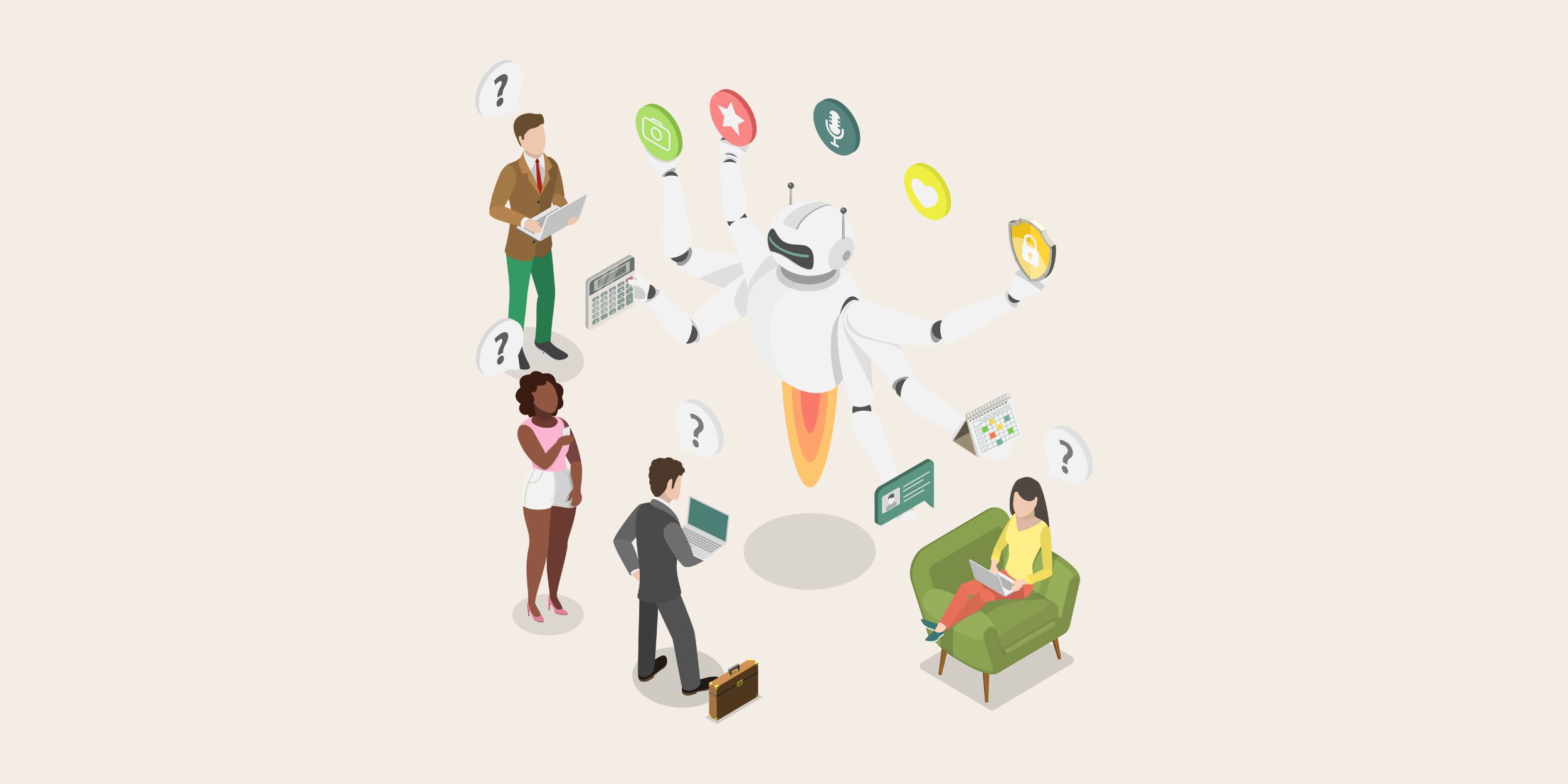
AI is bridging capacity gaps by supporting the work that requires consistency rather than judgment. The Dynamics 365 now includes agent capabilities that carry out tasks such as lead qualification, knowledge creation and case support. These agents do not replace human expertise; they simply take on the structured work that teams struggle to maintain when demand increases. This shifts the balance between manual effort and automated support, which restores capacity at key pressure points.
The knowledge management agent provides a clear example. Customer service teams often know the correct process, yet rarely have time to document it. The agent produces draft knowledge articles automatically using case information. Teams can review and approve these articles without needing to write them from scratch. This maintains the quality and accessibility of knowledge without adding pressure to already busy staff.
The lead qualification agent offers similar value. It creates personalised follow-up communication using contextual information captured during initial engagement. This enables consistent outreach at scale and improves conversion rates without requiring additional sales capacity. Even large organisations use these capabilities to manage high volumes of leads while protecting brand tone and quality.
AI enhances the value of Dynamics 365 by removing operational friction rather than applying technology for its own sake. AI supports the processes that drive valuable CRM outcomes. It improves data quality, increases adoption and accelerates the flow of information through the business. This allows leaders to trust their reporting, progress strategic initiatives and focus on the areas where human judgement adds the most value.
Digital labour in Dynamics 365
Digital labour refers to AI agents that complete work alongside human teams and represent a practical extension of workforce capacity. They handle repetitive, rules-based tasks with consistency and accuracy, which frees human teams to focus on strategic work. In the context of Dynamics 365, digital labour strengthens CRM by improving process carry-through and sustaining data quality across the system.
Digital labour is aligned with most businesses’ aims for better actionable data. Leaders want reliable data, efficient processes and systems that support growth without increasing headcount. AI agents provide this support by performing tasks such as initial case triage, structured data capture, follow-up communication and knowledge article generation. These tasks influence the quality of insight that leaders rely on for decisions. When digital labour maintains these processes, CRM becomes a dependable source of information rather than an operational burden.
Poor data quality, inconsistent adoption and manual reporting undermine CRM performance and limit business outcomes. AI agents reduce the reliance on manual input at each stage of the process. This creates a more accurate, complete and timely dataset. Reports become more reliable, and decisions become easier to support with evidence.
Digital labour does not change the need for human oversight. Teams maintain control of decisions, customer relationships and strategic direction. AI agents support these activities by handling the workload that prevents teams from operating effectively. This creates a healthier balance between human expertise and system-driven consistency. As adoption grows, businesses gain a CRM that performs reliably and scales with demand. The combination of human capability and digital labour provides a sustainable way to bridge the capacity gap and build a resilient, insight-driven operation.
Internal AI first, external AI later
Businesses often begin with internal AI because it presents lower brand risk and delivers immediate operational benefits. Internal AI supports tasks such as knowledge creation, case triage and order processing. These activities work well with a human review step, which helps teams build trust in the system. This approach enables businesses to introduce AI gradually while maintaining quality and control.
External AI involves customer-facing communication. This carries higher expectations for accuracy, tone and brand consistency. Leaders want confidence that AI-generated content aligns with their standards. They also want assurance that the system will not introduce errors that affect customer trust. This mirrors the concerns often raised in CRM transformation projects, where adoption relies on a clear understanding of how systems support the team. Businesses are more comfortable extending AI to customers when they have already seen consistent results internally.
Dynamics 365 supports this progression by offering configurable agents that can begin with internal tasks and expand into external communication as trust develops. Teams can start with drafts that require approval, then move to more automated processes once confidence grows.
This model also reduces the risk of shadow AI. When organisations do not provide structured AI tools, employees may use public models that do not meet enterprise standards. This exposes the business to data risks, inconsistent messaging and privacy concerns. By introducing internal AI early, leaders create safe, effective pathways for employees to adopt AI within established governance frameworks. This protects information, supports adoption and builds a consistent foundation for future external use.
Governance and Responsible AI Use
Governance plays a critical role in responsible AI adoption. Employers have concerns about employees bringing their own AI tools into the workplace, which can expose sensitive information to public models. These tools may not provide enterprise data protection, and users may not realise that information shared with them could be used to train external models. This creates risk for organisations that rely on CRM data to manage relationships, track performance and guide decisions.
Businesses must establish clear policies that explain how AI can be used safely. These policies help teams understand which tools are permitted, how information should be handled and where risks may arise. Governance provides a structured framework that supports these priorities and builds confidence in the use of AI within CRM.
Microsoft’s approach to AI offers a strong foundation for responsible use. Copilot and Dynamics 365 operate within secure enterprise boundaries, ensuring that organisational data remains protected. This distinction reinforces the importance of using AI within approved systems rather than public tools.
Governance also helps maintain data quality. AI agents rely on accurate, structured information to deliver effective results. When businesses establish clear data standards, they improve both the performance of AI and the reliability of CRM. This leads to consistent reporting, better visibility and more effective decision-making. Over time, governance becomes an enabler rather than a constraint. It provides the clarity and confidence required for teams to use AI responsibly and gain meaningful value from it.
How AI Strengthens a Business-First CRM Strategy
AI strengthens a business-first CRM strategy by reducing the operational friction that often holds CRM back. AI agents support Dynamics 365 by taking on tasks that consume significant time yet offer limited strategic value. These tasks include documentation, follow-up communication, knowledge creation and structured data capture. When AI supports these activities, teams can focus on the work that drives business outcomes.
Leaders want systems that provide clarity, reduce complexity and support faster decisions. They also want CRM to act as a stable source of insight rather than a system that requires constant maintenance. AI enables this by sustaining data quality and improving the accuracy of reporting. Teams gain the capacity to complete customer work and maintain CRM standards without conflict between the two.
Issues such as poor adoption, inaccurate reporting and inconsistent processes undermine CRM performance and lead to frustration within the business. AI helps address these challenges by automating the tasks that often fall behind when teams face capacity constraints. It ensures that processes run consistently and that critical information is captured accurately. This creates a more reliable system that supports decision-making and long-term planning.
AI also supports change management. Teams experience less resistance when CRM helps rather than hinders their work. Tasks become easier, information becomes more accessible and processes become smoother. This encourages adoption and builds confidence in the system. Over time, CRM becomes an integral part of operational strategy rather than a source of friction. The business gains a platform that supports sustainable growth, guided by insight and strengthened by digital capability.
Creating Headroom for Teams
Creating headroom for teams is one of the most immediate benefits of AI adoption. AI has the ability to extend operational capacity without increasing headcount. Agents take on work that is essential but repetitive, which frees human teams to focus on complex and value-driven tasks.
This benefits leaders who want relief from operational bottlenecks and greater control over performance. The ability to regain capacity without restructuring the organisation offers meaningful business value. Teams become more productive, and leaders gain more reliable insight into performance. The organisation benefits from smoother operations, better reporting and improved decision-making.
Many organisations struggle with incomplete data, inconsistent adoption and manual processes that slow the flow of work. These challenges arise because teams lack the time to maintain high standards across every task. AI addresses this by handling the steps that often fall behind. It ensures that CRM remains current and accurate, which strengthens the entire operation.
Headroom has an operational dimension and also supports the well-being of teams. When repetitive tasks are removed, people have more space for meaningful work. This reduces the pressure of constant multitasking and improves engagement. Teams become more effective, and CRM becomes a supportive system rather than a source of administrative load. This creates a healthier, more sustainable approach to operations and prepares the business for future growth.
A Practical Path Forward
A practical path forward begins with understanding where capacity gaps affect CRM performance. Businesses that rely on Dynamics 365 can start by identifying the tasks that consume disproportionate effort or create bottlenecks, such as lead qualification, case documentation and knowledge creation. These tasks are essential to CRM performance and often difficult for teams to maintain when demand increases.
Once these areas are identified, organisations can introduce AI agents to support the workload. Internal use cases often provide the quickest return. Knowledge management agents, case triage and data capture automation offer reliable benefits with minimal risk. These initial wins create momentum and build confidence in the system. Teams begin to trust AI as a partner rather than a novelty, which supports wider adoption.
Governance should accompany every step of this process. Clear policies help teams understand how to use AI responsibly and ensure that information remains protected.
As capability and confidence grow, businesses can expand to more advanced scenarios. Agent-driven customer communication, automated qualification processes and deeper integration with operational workflows become achievable. Each stage increases capacity, improves data reliability and strengthens the performance of Dynamics 365. The CRM evolves into a system that scales with demand and provides a stable foundation for strategic decision-making.
This staged approach delivers a balanced path to AI adoption. It reduces risk, builds trust and ensures that capacity gains are sustainable. The result is a CRM environment that supports growth, empowers teams and provides leaders with the clarity they need to guide the organisation forward.
If you’re ready to reduce operational strain and strengthen your CRM with AI, our team can guide you through the right approach for your organisation. Reach out to discuss your goals.